How to read comic panels in the right order
Read a comic page the way you read a page of text: start at the top left, read across the row from left to right, then drop to the next row and do it again. That zigzag is called the Z path. Speech balloons inside a panel follow the same rule, top to bottom and left to right, and manga flips both: right to left, starting at the top right.
What order do you read comic panels in?
Left to right, then top to bottom, one row at a time. Start with the panel in the top left corner, read across that row, and when you reach the right edge, go back to the left side of the next row down. A wide panel that runs the whole width of the page is a row of its own. Your eye traces a Z down the page, which is why comics researchers call this the Z path.
It is also what readers do without being told. In a 2013 study by the cognitive scientist Neil Cohn, 145 people at a comics convention numbered the panels on blank page layouts, and on a plain grid they followed the Z path about 94 percent of the time.
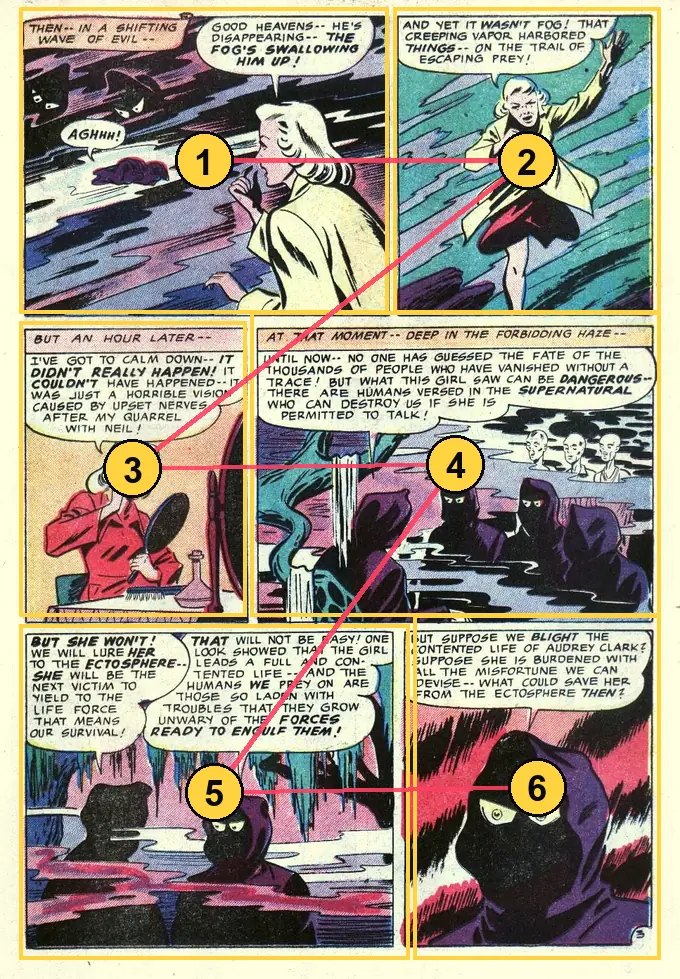
How do you read a comic page with uneven panels?
Start with the panel in the top left corner, then go by where each panel begins: higher panels first, and left before right. In Cohn's study, a panel sitting in the top left corner began the page 96 percent of the time. Rows whose gutters do not line up, called staggered panels, barely change anything: 131 of 145 readers still took the Z path.
The big exception is a tall panel beside a stack of smaller ones. Read the stack from top to bottom before you move across, because the tall panel blocks the path across the row. Cohn calls this blockage, and 91 of 145 readers went down to the panel below instead of across to the tall one. People who read comics more often were more likely to read it that way. When the tall panel is on the left, it simply comes first, and then the stack beside it reads top to bottom.
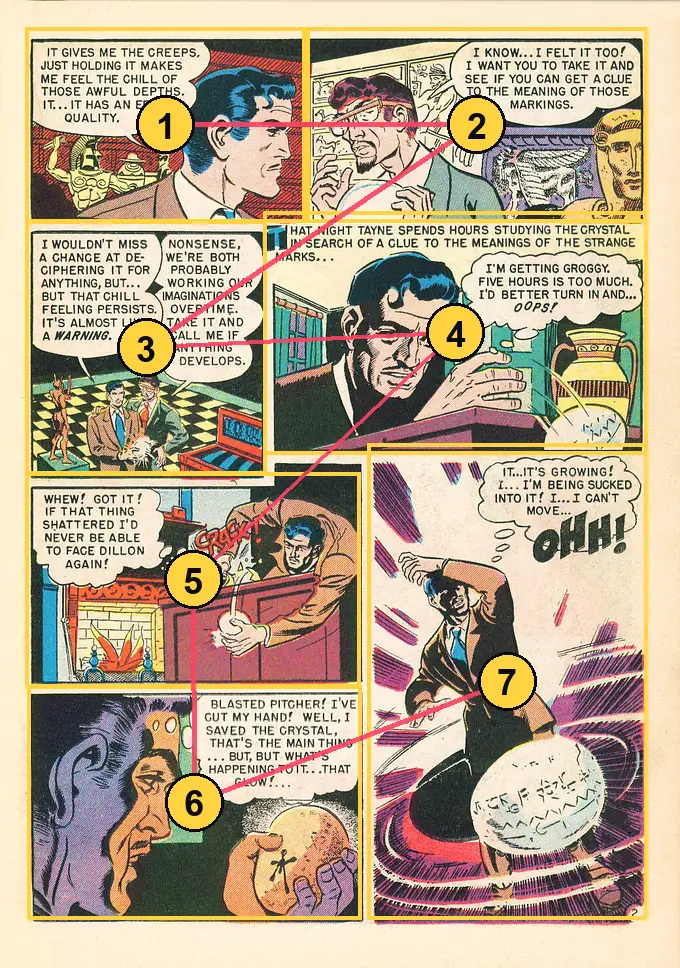
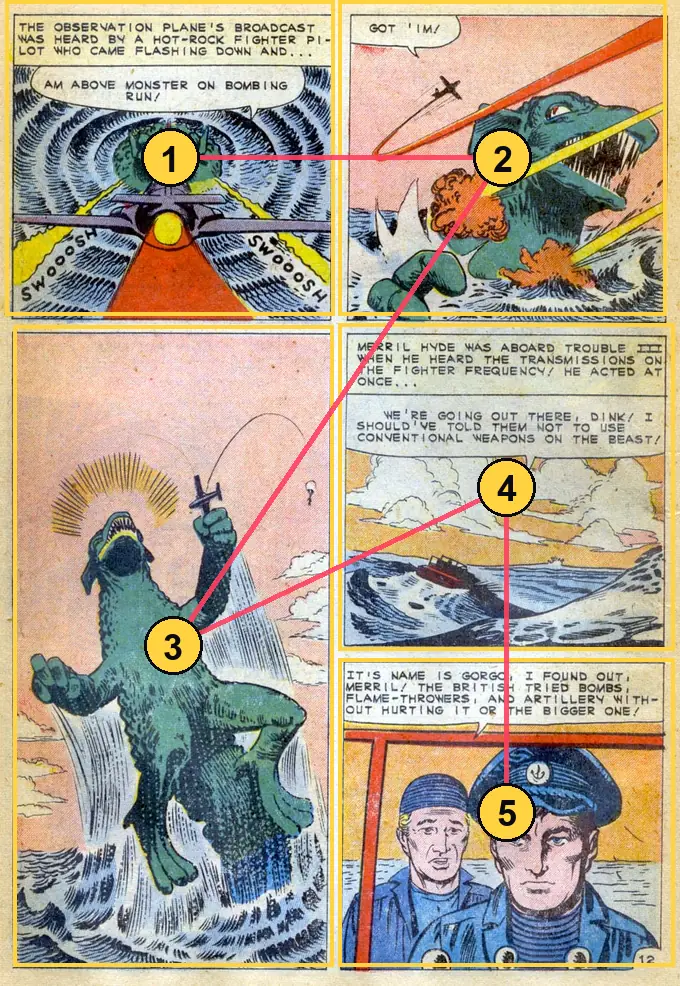
How do you read panels that overlap, have no border, or sit inside another panel?
Go by where each panel starts, top before bottom and left before right, and let the words settle anything the layout leaves open. These are the layouts that split readers most. With overlapping panels, Cohn found about half of the choices still followed the Z path, depending on the layout, and when a small panel was set inside a big one, 60 percent read the big outer panel first. A panel with no border still counts as a panel: picture the box it would have and place it in the order. If a line answers a question you have not read yet, you took a wrong turn, so step back a panel.
A 2015 follow-up by Cohn and Hannah Campbell found the same thing from the other side: separating panels, overlapping them and blocking a row with a tall panel each pulled readers off the Z path, and the further a layout strayed from a grid, the less readers used it.
How do you read a splash page?
Read the title and captions first, take in the big picture, then carry on with any smaller panels in the usual order. A splash is one panel that fills most or all of a page, often at the start of a story. When smaller panels share the page, place the big one in the order by where its top edge sits, like any other panel.
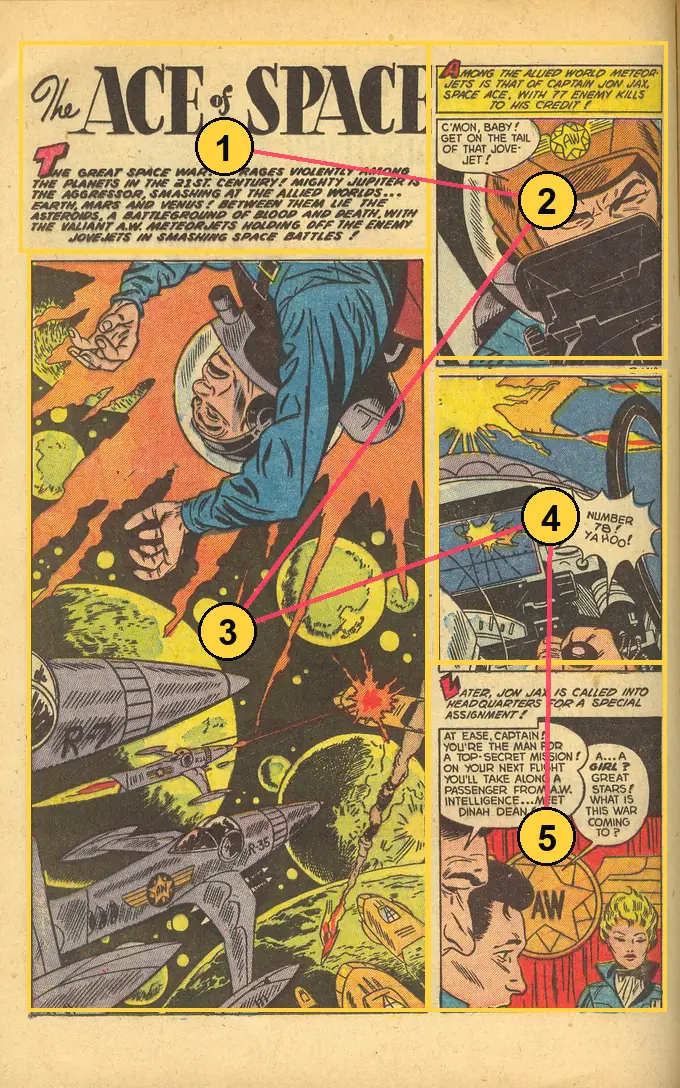
What order do you read speech bubbles in?
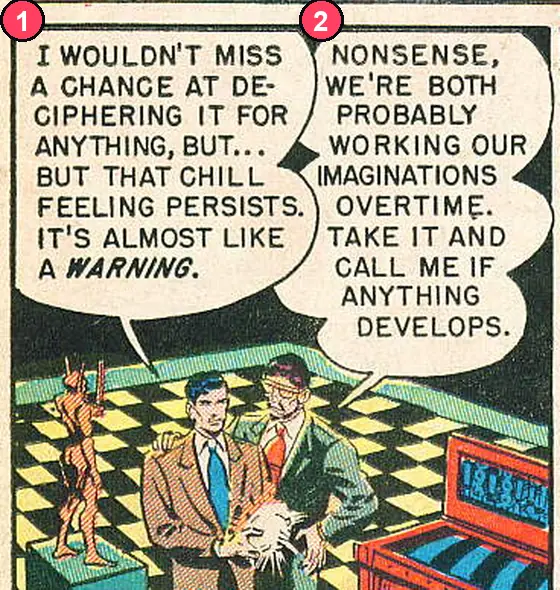
The same way as the panels: the highest balloon first, then left to right and downward. Letterers place the first balloon in a panel at the top left and step each later one down and to the right, so the conversation reads in order. Captions, the boxes of narration, are read where they sit by the same rule, so a caption at the top of a panel usually comes first.
The tail on each balloon points to whoever is speaking. Balloons joined directly to each other are usually one speaker's continuing thought, and when two characters trade lines in a single panel, letterers stagger their balloons and link them with short connectors so the back and forth reads in order.
How do you read manga panels?
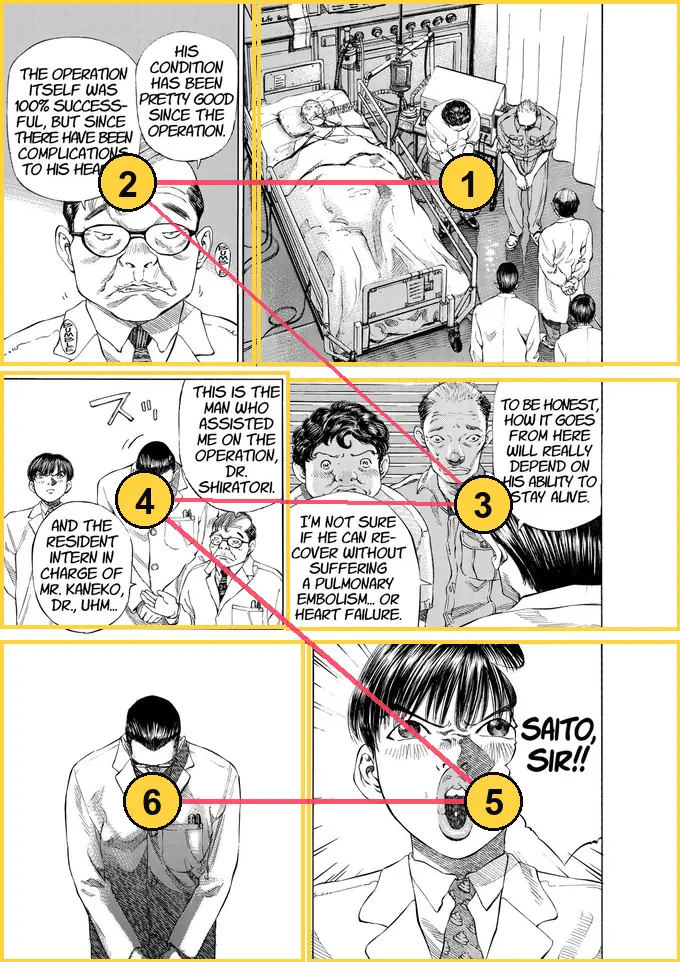
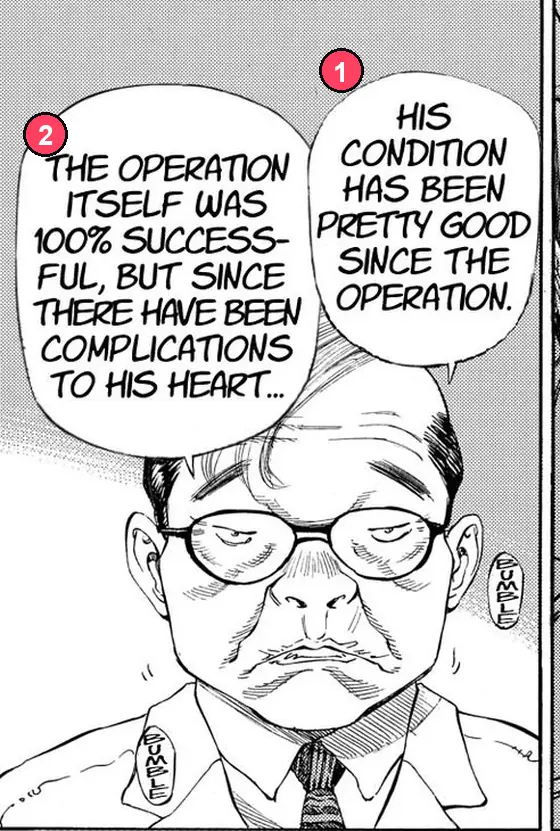
Right to left, then top to bottom: start with the panel in the top right corner, read across the row to the left, then start the next row at the right again. The balloons inside each panel run the same way, starting with the one highest and furthest to the right and moving down and to the left. The whole book runs that way too: a manga volume opens from what looks like the back cover of an English book, and the pages turn toward the left.
Why is manga read right to left?
Because Japanese is traditionally written in vertical columns that run from right to left, so Japanese books are bound on the right and their pages progress to the left, and manga follow the same page order. Most manga text is lettered vertically too, which is why manga speech balloons are often tall and narrow.
Early English editions were often flipped: the art and the layouts were mirror-reversed so the pages read left to right, and some creators, Akira Toriyama among them, objected to their work being changed. In 2002 Tokyopop launched its 100% Authentic Manga line, printed unflipped, and right-to-left editions are now common in North America. If an English manga opens from the right, it is unflipped: read it right to left from the first page to the last.
How do you read a webtoon?
Scroll straight down. Webtoons are digital comics that began in South Korea, and each episode is published as one long vertical strip made for screens, so the panels come one after another from top to bottom and the balloons in each panel read top to bottom too. There is no row to cross and no page to turn.
What are the best tips for reading comics for the first time?
- Glance at the whole page before you read it. A second spent on the layout shows you the rows, the stacks and the big panel before the words start.
- Check which way the book runs. A manga that opens from the right reads right to left on every page.
- Follow the tails. Each one points to the speaker, so you always know who is talking.
- Let the dialogue check the order. If a line answers something you have not read yet, step back a panel.
- Read the pictures as well as the words. Faces, sound effects and backgrounds carry story that the balloons leave out.
Can a comic reader show the panels in order for you?
Yes: LiveComics finds the panels on each page and puts them in reading order, left to right for comics and right to left for manga, and Panel view then shows them one at a time, each filling the screen. The numbered pages above are real pages from the free streaming shelf, with the order LiveComics worked out for them. Panel view is free on every comic you upload as a CBR, CBZ, PDF or EPUB file. It is in beta and reads without narration or subtitles, and since panels and their order are worked out automatically, an unusual layout can come out wrong, so the whole page is always one switch away.
Read comics panel by panel, free · A panel-by-panel comic reader for the comics you own · Zoom in on speech bubbles · How to read comics on your phone
Read the example pages in full: Forbidden Worlds, Gorgo, Captain Science, Fantastic Worlds, Give My Regards to Black Jack.
Questions readers ask
What order do you read comic panels?
Left to right, then top to bottom: read across each row of panels, then drop to the next row and start again at the left. Comics researchers call that zigzag the Z path, and on a plain grid of panels it is what nearly every reader does.
Do you read comic speech bubbles left to right?
Yes, in comics lettered for English: read the highest balloon first, then left to right and downward, and follow each tail to see who is speaking. In manga the balloons run right to left instead, starting with the highest one on the right.
How do you read manga panels?
Right to left, then top to bottom: start with the top right panel, read across the row to the left, then start the next row at the right. The balloons inside each panel run right to left too, and the book itself opens from what looks like the back.
Why are manga read right to left?
Because Japanese is traditionally written in vertical columns ordered from right to left, so Japanese books are bound on the right and read from right to left, and manga keep that page order. Early English editions often mirror-reversed the art to read left to right, but unflipped right-to-left editions are now common.
How do you read a comic page with uneven panels?
Start with the panel in the top left corner and go by where each panel begins: higher first, then left before right. When small panels are stacked beside a tall one, read the stack from top to bottom before moving across, which is what most readers did in Neil Cohn's study. If the order is still unclear, let the dialogue decide.
Do you read the captions before the speech bubbles?
Read them where they sit: captions follow the same top to bottom, left to right order as the balloons, so a caption at the top of a panel usually comes first and sets the scene.
How do you read a webtoon?
Scroll down: each webtoon episode is one long vertical strip, so the panels come one after another from top to bottom. The balloons in each panel read top to bottom as well.
Sources
- Neil Cohn, "Navigating comics: an empirical and theoretical approach to strategies of reading comic page layouts", Frontiers in Psychology, 2013
- Neil Cohn and Hannah Campbell, "Navigating Comics II: Constraints on the reading order of comic page layouts", Applied Cognitive Psychology, 2015
- Clip Studio Tips, "Speech Balloon Placement in Comics"
- Blambot, "Comic Book Grammar & Tradition"
- Wikipedia, "Horizontal and vertical writing in East Asian scripts"
- Wikipedia, "Manga outside Japan"
- Wikipedia, "Webtoon"